October 16, 2026
What Wellness Professionals Should Know About Vibrotactile Patches
What Wellness Professionals Should Know About Vibrotactile Patches

The Body Factory earns a commission on qualifying purchases made through links in this post.
Your clients already come to you for support with movement, recovery, relaxation, and everyday wellness. Vibrotactile patches offer another option to discuss alongside your existing services, without changing the work you do or asking clients to add a drug-based product to their routine.
Super Patch’s REM, Boost, and Freedom patches are designed to support sleep, energy, and everyday comfort. Here’s what wellness professionals should know about the technology, the research, and how to discuss these products responsibly.
Vibrotactile Technology, in brief
Vibrotactile Technology (VTT) uses a patch’s contoured ridge pattern to stimulate the skin’s neural response. Super Patch describes this tactile input as a way to support the brain and body’s natural processes.
The patches are non-invasive and 100% drug-free and chemical-free. They are made with hypoallergenic 3M medical material, and Super Patch offers a 30-day money-back guarantee. Follow the product instructions for placement and use.
For a practitioner, the simple explanation is: the patch provides patterned tactile input through the skin. The company-designed patterns differ by patch. VTT is not a medication, massage technique, or substitute for your professional service.
Three patches to know
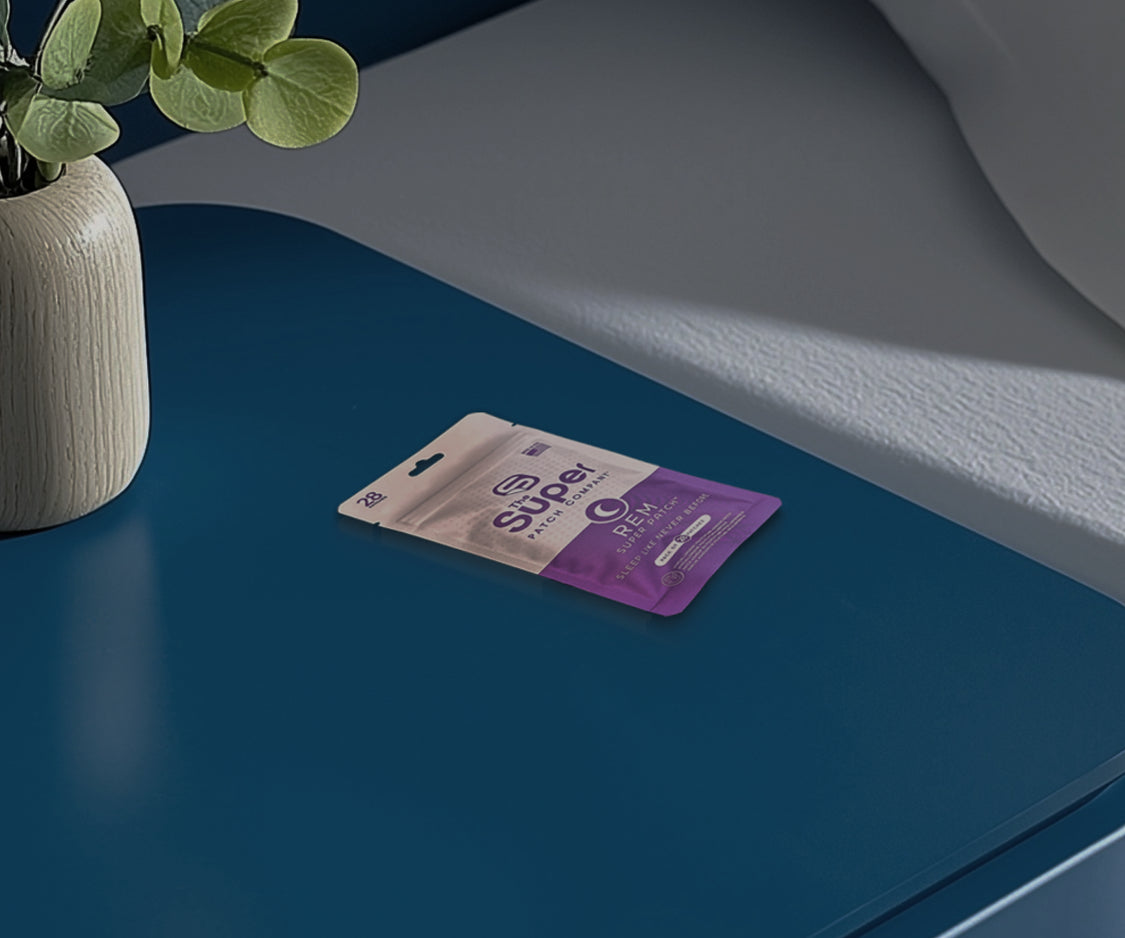
REM: an option for sleep support
Sleep can influence how clients feel and function during the day. If sleep routines come up in your coaching, massage, or wellness conversations, REM is a patch you can introduce as a general wellness option designed to support sleep.
REM is a sleep patch designed to support your clients’ natural rest — a simple, drug-free addition they can slip into a nightly routine. Keep your guidance within your professional scope, and describe the patch in terms of its intended supportive role.
Boost: clean energy support
For clients who mention low daytime energy or a desire to avoid caffeine-based products, Boost is designed to support energy without sugar or caffeine, according to Super Patch. It may be relevant in a fitness, coaching, or spa setting where clients are already discussing their daily routines and wellness goals.
Describe it as an energy patch option designed to fire up your clients’ day, the clean way. Encourage clients to review product directions and consider whether it fits their personal routine.
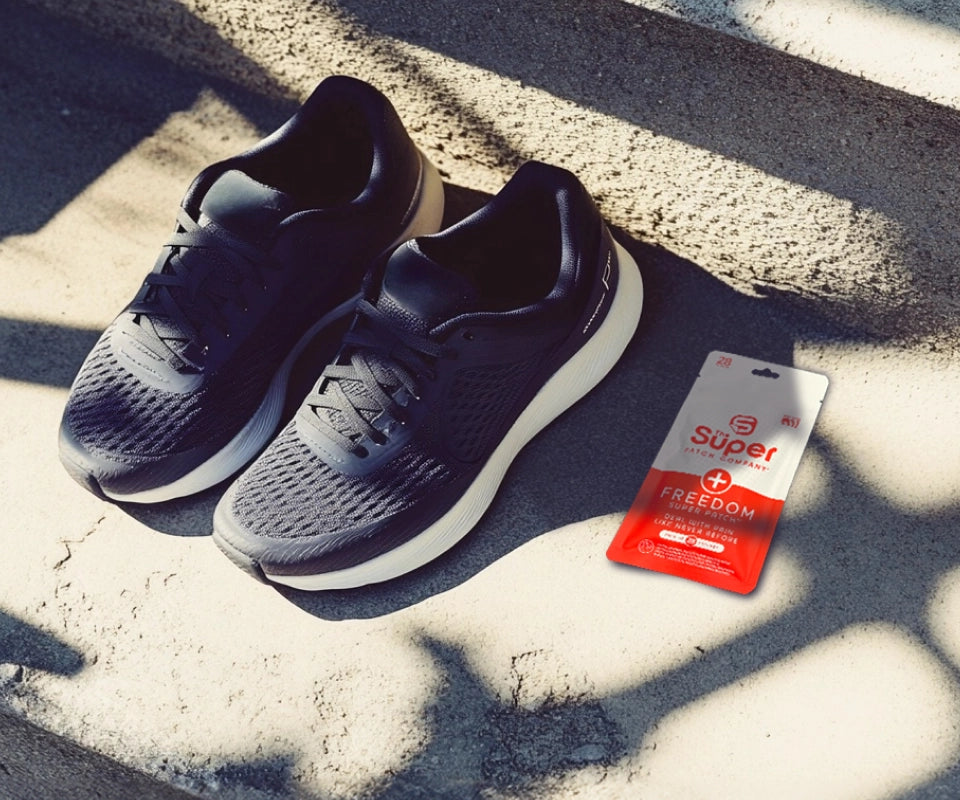
Freedom: drug-free comfort support
Minor aches can affect how clients approach movement, training, or a massage session. Freedom is designed to support everyday comfort and is positioned by the company as a drug-free option. A client searching for a natural pain relief patch or drug-free pain relief patch may be excited to learn about it — keep the description grounded in general wellness support rather than treatment claims.
Freedom does not replace your hands-on work, movement coaching, or other services. It can simply be another product option to discuss when appropriate.
What the research says, and how to talk about it
The HARMONI study, published in 2023, examined sleep-related changes reported by adults using a VTT patch. It was a small, short-term observational study, not a definitive randomized trial. The authors reported changes in sleep measures over the study period. You can read the HARMONI study yourself — and early research on VTT is promising.
A separate registered clinical study, NCT06505005, describes an evaluation of haptic patches that includes sleep outcomes.
Super Patch’s research and campaign materials also report figures including 55% better sleep onset, 47% pain reduction, and 31% balance improvement. The company’s website displays 24,000+ reviews at a 4.8-star rating — real people, reporting real experiences. Individual experiences vary.
These are wellness products, not intended to diagnose, treat, cure, or prevent any disease. Use “supports” and “designed to” language when describing intended benefits, and share the research with realistic context.
How to introduce patches in your practice
Keep the conversation client-led and straightforward. Ask what wellness goals they are working toward, then explain the patch’s intended supportive role without presenting it as a solution to a medical condition. A few practical principles can help:
- Connect the product to the service. A trainer might discuss Boost as an optional energy-support product. A massage therapist could introduce Freedom as a drug-free comfort-support option. A coach might mention REM when discussing a client’s broader sleep routine.
- Be transparent about the evidence. Describe studies as early or company-reported when that applies. Early research on VTT is promising, and larger studies are underway.
- Respect your scope. Keep product information separate from diagnosis or treatment, and don’t advise clients to change existing care or medications.
- Make the next step simple. Share product details and instructions, and let clients decide whether they want to explore the option.
Natural wellness patches can complement a thoughtful service menu, especially when your clients value non-invasive, drug-free choices. The key is to offer clear information and a confident, respectful invitation.

Explore Super Patch for your practice
If REM, Boost, or Freedom could be relevant to your clients, explore the Super Patch product range and review the individual pages for REM, Boost, and Freedom.
To discuss carrying or recommending patches in your practice, visit The Body Factory Super Patch Associate or call/text Rachel at +1 803-590-4164.